
Tom’s wisdom · Leadership & Hiring
How I built leaders who could replace me
I stepped away from my company and put my best man in charge. When I came back and asked for my job back, he said no, and it turned out to be the best thing that could have happened to either of us.
By Tom Cummins, in his own words4 min readAlso on YouTube
One of my closest friends has been my business partner for more than twenty years. I knew him long before we ever worked together, back when I first moved to Florida. He ran a martial arts school, and he taught my kids when they were about a foot tall. We knew each other, but we were not friends yet.
Then I started a business here in Florida, and it was going well, and I needed a good guy. I had gone through four or five people trying to find one. He came in, started working, and turned out to be exactly that. From there the relationship grew. We shared a lot of tears on the same carpet, we watched each other's kids grow up, and we have lived our lives together ever since.
And the most valuable leadership lesson of my life came out of that friendship. It arrived on the day he refused to give me my job back.
I build a better race car, and he goes out and wins races with it.
The job I could not take back
At one point I stepped away from the company for a couple of years to take on a commitment outside the business. I thought I could do both, run the company and handle the other thing at the same time. After about a month of trying, I looked at myself and said, yeah, I am full of it. I cannot do both.
So I went to my other partner and said, look, I need to bring our guy up and have him run the place while I am gone. I made him the president. I put him in charge, turned everything over to him, and went and did my thing. He did a great job running the place.
When I finished, I came back and said, look, I want my job back. He told me no. He said it in a nice way, but that is what the end of the message came down to. He had the job, and he was not giving it up.
Build a better race car
Now, I could have pulled rank. I own the company, so I could have said, no, you are going back to your old job, I am taking this one back. But I was smart enough to know that would have been stupid. He was doing a good job, so the right move was to let him keep doing it.
That left me with an interesting problem. He had just been elevated into the command channel, and he was the head honcho running the day-to-day affairs, which is exactly what I was used to running. So what was my job now? I had to figure out how to move up, how to become worthy of the next seat.
Here is the relationship we landed on, the way I like to explain it. I build a better race car, and he goes out and wins races with it. He does not have to worry about tomorrow and everything coming down the road. He gets to take today, everything we have working right now, and get the most out of it. And I keep rolling the sidewalk out in front of him so that there is always a tomorrow.
Move everybody up
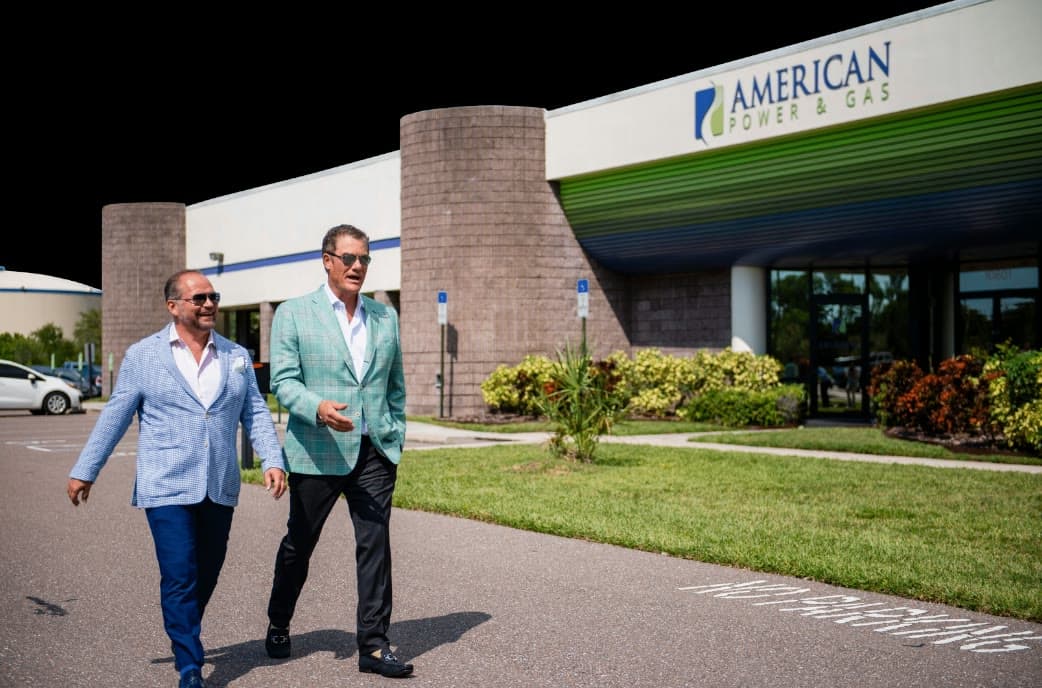
That balance worked so well that the energy company exploded. And the growth created the next problem: my partner felt trapped in the job, because there was nobody underneath him who could step up. So I went out and finally found the guy who could. My partner moved up to chief executive, the new man became president and took over the day-to-day, and I moved up to chairman of the board. Everybody stepped up one seat.
I did the same thing in Italy. I spent about three and a half years there putting in the machinery of a company: the human resources department, marketing, sales, operations, customer service, finance. I built those machines and put them in place. Then I turned them over, moved back up the organizing chart, and got out of the way.
Then get out of the way
So here is the rule. If they do not do the job, you need to get rid of them. But if they do the job, and they are doing it, you need to get out of the way. Make sure everything they need is there, make sure they own it and know it, and then let them run.
And here is the beautiful part. If they are the right person for the job, you do not even have to get them going. They take off on their own horsepower, and that is how you know they really have the job.
This is what being a good executive actually is. You find people you can believe in and trust, you empower them, you hand them the machine, and you watch them run with it. My partner and I built two companies this way: I put the structure and the machinery in place, he went in and crushed it, and we both came out far better than either of us would have alone. I am doing the same thing today with other companies, finding bright, hardworking people and building the machine around them so the machine pushes them up.
Edited for the page from Tom’s spoken lesson on his YouTube channel. His words, tightened for reading.
The full video
Watch the video here
Every written lesson starts as a talk on Tom’s channel. Press play to hear this one in his own voice, or take it with you on YouTube.
Next on the shelf
How I pick a business partner
With opportunities coming at you constantly, how do you decide who to partner with? Two tests: the business, and the person running it.